

Make it Safe to Say What Matters
Psychological safety is essential to a safe, high-performing culture. Organizations should encourage employees at every level to speak openly about operational risks, mistakes, near misses, incidents, and concerns related to safety, well-being, collaboration, staffing, operational performance, etc. Frontline employees are closest to the work, so they are most likely to know what is working, what is not, and where improvements are needed. They need supervisors and managers who will listen to and act on their feedback. Psychological safety issues are not limited to the frontline. Those same supervisors and managers might be uneasy being transparent with higher-level managers if they do not have the active support of their bosses. They can also feel stuck between wanting to respond appropriately to frontline employees but not wanting to be blamed by or suffer negative consequences from higher-level leaders who want productivity, not problems.
Because engagement depends on trust, psychological safety is a prerequisite for continuous improvement and meaningful participation from everyone. People will fully engage in improving work conditions and processes only when they feel safe telling management what they really think and what is happening on the front line. Team trust and psychological safety are fundamental requirements for optimizing Human and Organizational Performance (HOP).
Organizational Solutions for Psychological Safety
Here are a few ways ADI creates workplace cultures where psychological safety thrives.

Read ADI Blogs on Psychological Safety
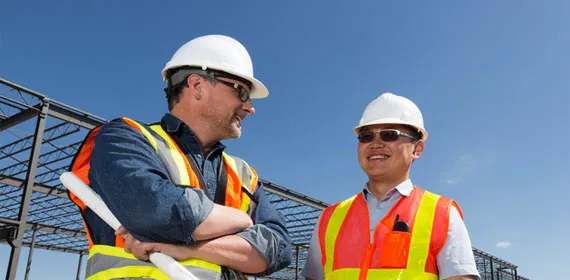
The term psychological safety is having a moment. While on the surface it may seem like yet another organizational buzzword, this one has true merit, especially in safety. The term was coined by Amy Edmondson in 1999. In essence, it means the absence of interpersonal fear....

This blog is dedicated to one leader’s determination in developing a high-performing work team that fosters enthusiasm, continuous improvement, and fun in the workplace. Pat has helped her team masterfully develop their skill in delivering training and developing new leaders....
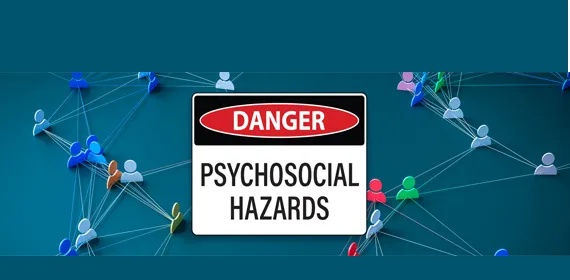
As the global economy and workplace arrangements continue to evolve, psychosocial hazards (PSHs) in the workplace are increasing and may soon surpass physical hazards in the workplace. The pandemic further heightened awareness of PSHs and their potential for harm as people returned to work, encountered toxic work cultures, and consequently began the Great Resignation....

In a recent poll ADI conducted, only 39% of participants were familiar with the term psychosocial hazards, and only 12% of respondents reported they currently use the term in their organizations. These numbers are small when contrasted with the economic and personal cost of exposure to PSHs in the workplace (vs. PSHs encountered at home)....
BEHAVIORAL MINUTE
Progressive safety cultures depend on employees’ willingness to provide input and feedback to leaders without fear of negative consequences. In this video, Brian Molina offers tips for building psychological safety into an organization’s safety management systems.
